Case Studies
How 446 Interactive modernized its large-scale global disbursements
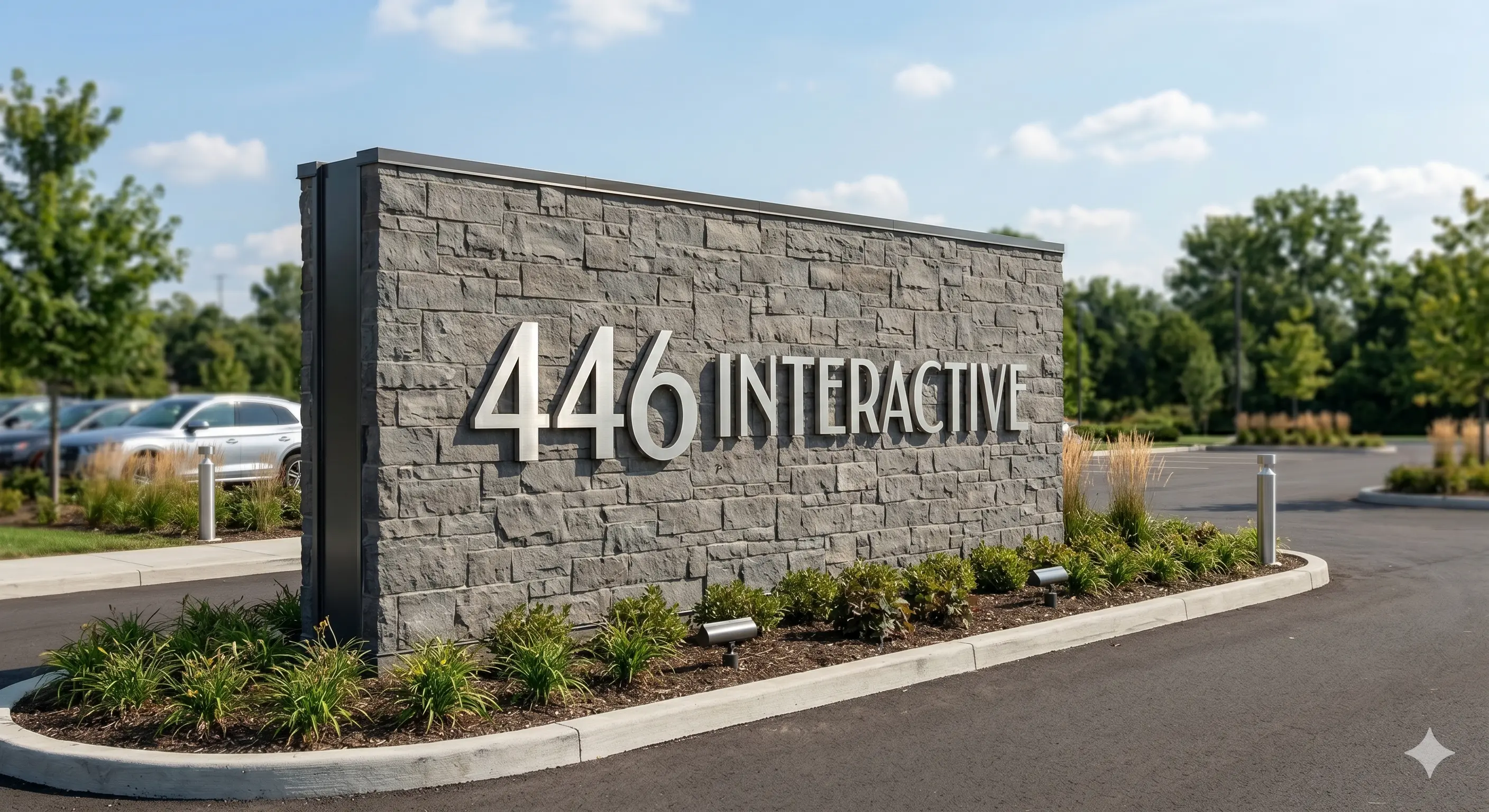
With nearly 20 years of experience in contractor management, 446 Interactive faced one of its biggest challenges during the years of accelerated expansion in the pandemic: how to pay thousands of contractors distributed around the world quickly, reliably, and scalably.
The Challenge
During the explosive growth experienced in the COVID-19 era, operations began to expand to multiple regions and markets simultaneously. What previously worked with manual processes and limited providers became insufficient.
The main challenges included:
Differences between banking systems and countries
Inconsistent payment routes based on the region
Operational delays and manual reconciliations
Dependence on a single financial provider
Need to scale weekly payments without increasing internal complexity
446 needed a solution capable of dynamically adapting to a constantly changing global financial ecosystem.
The Solution
Through Pinguino Wallet, 446 Interactive implemented a global disbursement infrastructure designed to orchestrate multiple financial rails from a single platform.
Instead of relying on a single provider or payment method, the platform intelligently selects the best available route depending on the country, operational availability, and the efficiency of the financial rail.
The result: a simple experience for the 446 operations team, while the complexity happens behind the scenes.
The Result
Today, 446 Interactive processes weekly payments to the four corners of the world using a single centralized operational layer.
With a bulk upload of payments and a simplified interface, the team can:
Disburse funds globally from a single platform
Reduce operational friction and manual tasks
Maintain continuity even when certain rails present regional limitations
Scale international payments without redesigning internal processes
Guarantee a more reliable experience for their contractors
Invisible Infrastructure. Global Operation.
The 446 Interactive case demonstrates how modern companies no longer need to rely on a single financial rail to operate internationally.
With the right infrastructure, complexity can be abstracted — allowing companies to focus on growing, while financial orchestration happens quietly in the background.